
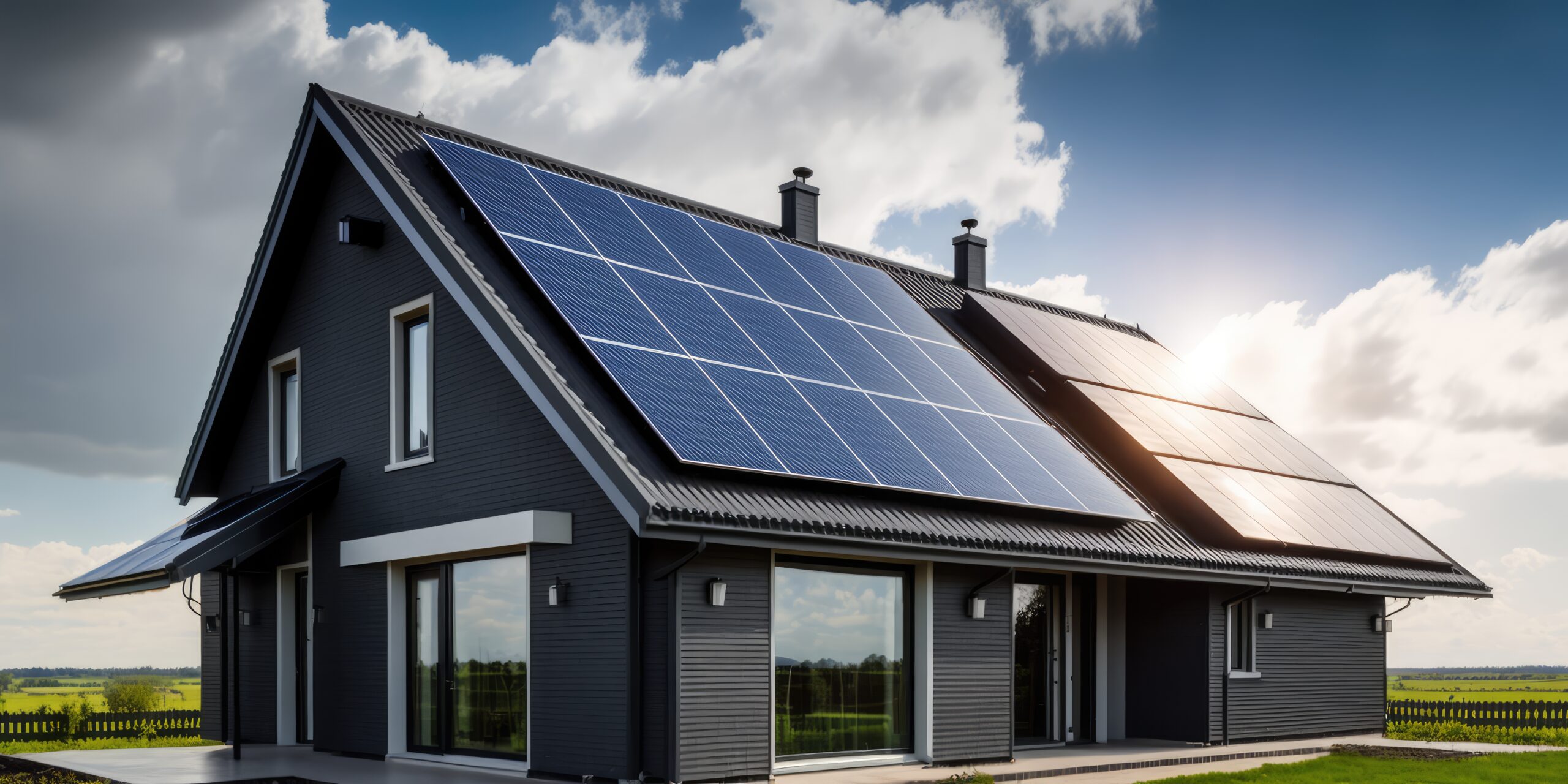
For years, rooftop solar has been a straightforward upgrade for homeowners but a logistical nightmare for apartment residents. Complex ownership structures, limited roof space, and billing challenges have kept multi-unit buildings stuck in the “too hard” basket.
That may finally be changing.
With several shared solar projects now live across Sydney and the Solar for Apartment Residents (SoAR) grant closing on 30 March 2026, apartment buildings have a narrow window left to access funding and follow the early adopters who are proving the model can work.
Early Projects Show What’s Possible
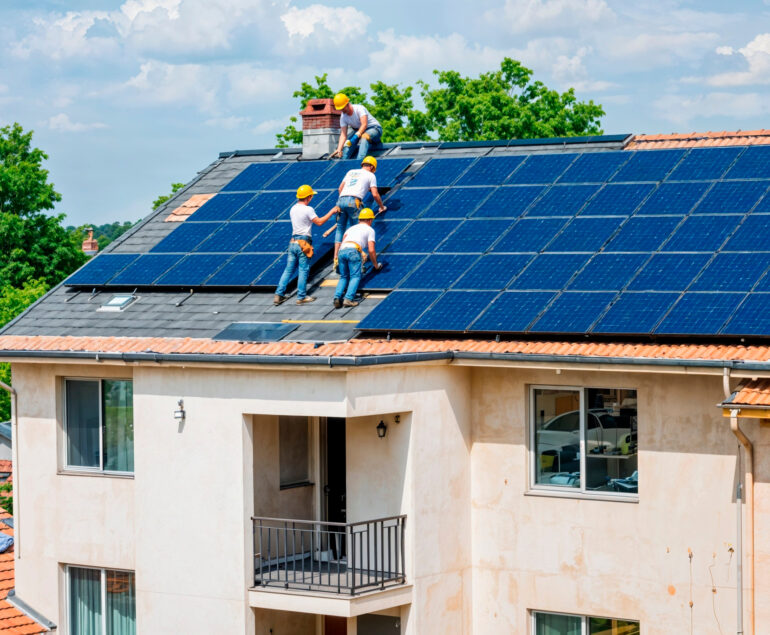
Two recent inner-west Sydney installations — in Newtown and Camperdown — are among the first completed under the SoAR program. These buildings are now generating solar energy on shared rooftops and distributing it across multiple apartments without requiring residents to change electricity retailers or install new meters.
The Newtown building, a 22-unit complex, installed a system exceeding 50 kW, with the grant covering roughly half of the upfront cost. Residents are now seeing noticeable reductions in annual electricity bills while the building cuts tens of tonnes of carbon emissions each year.
In Camperdown, a smaller heritage complex adopted a similar setup, demonstrating that even older or architecturally constrained buildings can successfully integrate solar when the right technology and funding are in place.
These early examples serve as proof-of-concept for strata committees that have long been sceptical about feasibility.
The Technology Solving Apartment Solar’s Biggest Problem
One of the key breakthroughs enabling these projects is solar-sharing technology that distributes rooftop generation between individual apartments in real time.
Instead of sending all solar energy to common property or forcing residents onto a single embedded network, the system intelligently directs electricity to units that are actively using power at any given moment. This ensures solar energy is used locally within the building rather than being exported to the grid at lower feed-in tariff rates.
The result is a model that works within existing metering setups — a major shift from earlier apartment solar designs that required costly rewiring or billing changes.
Grants Are Removing the Financial Roadblock
Historically, the biggest barrier to apartment solar hasn’t been technology — it’s been cost and decision-making within strata committees.
The SoAR program directly targets this issue by covering up to 50% of installation costs, capped at $150,000 per building, significantly reducing the financial hurdle that often stalls projects at the voting stage.
For many buildings, this makes solar financially viable for the first time. Some complexes have even funded their share using existing capital works funds, allowing systems to be installed without raising special levies from residents.
Apartment Solar Still Isn’t a Fit for Every Building
Despite the momentum, shared solar isn’t a universal solution. Its success depends on a number of practical factors:
- Adequate unshaded roof space
- A manageable number of apartments relative to available solar capacity
- Strong support within the owners corporation
- Daytime electricity usage patterns that allow residents to benefit from real-time solar generation
These constraints mean that while the model is promising, it won’t scale evenly across all apartment types — particularly very large high-rise towers where rooftop space is limited.
Why the Next Few Weeks Matter
The SoAR grant has been a catalyst for experimentation in the apartment solar sector. But with applications closing at 5 pm on 30 March 2026, buildings that haven’t begun the process may miss out on substantial financial support.
More than a hundred apartment projects across NSW have already secured funding, collectively receiving millions of dollars to install shared solar systems.
This looming deadline creates a classic tipping-point moment: once the program ends, the pace of apartment solar adoption will depend on whether future incentives or market forces step in to replace it.
A Glimpse of Solar’s Next Growth Market
Detached homes have dominated Australia’s rooftop solar boom, but apartments represent a massive untapped segment. With a growing share of the population living in strata properties, unlocking solar access for these buildings could reshape the next phase of the energy transition.
The early SoAR projects suggest the barriers are no longer technical — they’re organisational and financial. Now that real-world examples exist, more strata committees may feel confident pursuing shared solar even after the grant program closes.
The question is no longer whether apartment solar can work. It’s whether policy support and industry momentum will continue long enough to make it mainstream.

Lorem ipsum dolor sit amet, consectetur adipisicing elit. Laudantium eius, sunt porro corporis maiores ea, voluptatibus omnis maxime
Sed maximus imperdiet ipsum, id scelerisque nisi tincidunt vitae. In lobortis neque nec dolor vehicula, eget vulputate ligula lobortis.
Vivamus gravida felis et nibh tristique viverra. Sed vel tortor id ex accumsan lacinia. Interdum et malesuada fames ac ante ipsum primis in faucibus.