The conflict in Iran is triggering a fresh global energy shock, pushing oil and gas prices sharply upward and exposing how vulnerable energy-importing countries remain to geopolitical disruption. For countries like Australia – and similarly India and much of Asia – the effects are felt almost immediately at the petrol pump and in energy bills.
With experts warning that the fallout could last years, households are being urged to reduce their exposure to fossil fuels and move toward electrification and renewable energy.
How Vulnerable Is Australia To The Oil Crisis?
The Strait of Hormuz is one of the most critical shipping routes in the world, carrying around 20% of global oil supply. Disruptions there have already slashed tanker traffic and created the largest supply shock in modern oil market history.
Australia is particularly exposed because it imports the majority of its refined fuels while maintaining relatively low stockpiles. Government data shows Australia holds roughly five to six weeks of petrol, diesel, and jet fuel – well below the 90-day reserves required by the International Energy Agency.
That means any prolonged disruption to shipping routes or refinery supply can rapidly translate into higher domestic prices and potential shortages.
What About Gas Prices?
Unlike oil, Australia produces large quantities of natural gas. However, domestic prices are still linked to international markets because LNG exporters sell to the highest bidder globally. This means global supply shocks often feed directly into local energy bills.
Regulators have already warned that east-coast gas markets remain tight, with potential shortfalls depending on export volumes and winter demand.
Historically, similar supply disruptions – such as during the Ukraine war – led to sharp price spikes at home despite Australia being a major producer.
Electrification: A Practical Shield Against Energy Shocks
Energy analysts increasingly agree on one thing: electrification is the most effective way households can protect themselves from volatile fossil fuel markets.
Research from the Institute for Energy Economics and Financial Analysis shows that combining solar panels, battery storage, electric appliances, and efficiency upgrades can cut total home energy costs by up to 80–90%.
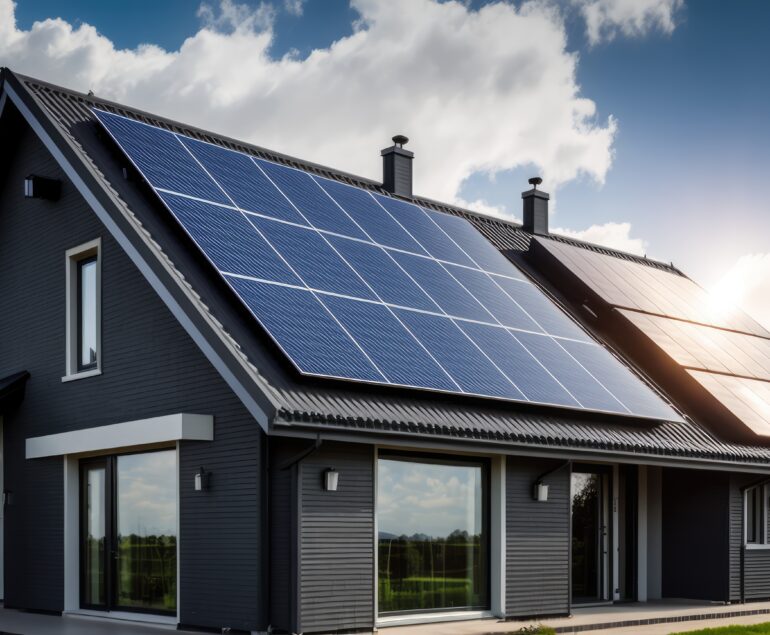
This shift replaces imported oil and globally traded gas with domestically generated electricity – much of which can be produced directly on your own roof.
Build An “Electrification Fence” Around Your Home
Think of electrification as creating an energy firewall. The more of your household’s needs powered by electricity – especially renewable electricity – the less exposed you are to geopolitical crises, fuel shortages, and price spikes.
Here are the most impactful upgrades.
1. Electrify Your Transport
Petrol is usually the biggest household expense tied to oil markets. Switching to an electric vehicle removes that exposure almost entirely.
Benefits:
- Charging costs significantly less than petrol per kilometre
- Solar panels can power daily driving for free
- EVs have fewer moving parts and lower maintenance costs
Even if you’re not ready to buy an EV yet, planning for one – such as installing wiring for a future charger – is a smart future-proofing step.
2. Replace Gas Heating With Reverse-Cycle Air Conditioning
Modern reverse-cycle air conditioners are extremely efficient and can deliver three to five units of heat for every unit of electricity consumed.
That means:
- Lower running costs than gas heating
- Faster heating and cooling
- Improved indoor air quality compared with combustion appliances
This is often the quickest and most cost-effective electrification upgrade households can make.
3. Switch From Gas To Heat Pump Hot Water
Hot water systems account for a large share of household energy use. Heat pump systems use ambient air to heat water and typically consume 60–75% less energy than traditional electric or gas systems.
For many homes, switching to electric hot water allows them to disconnect from gas entirely – eliminating daily gas supply charges.
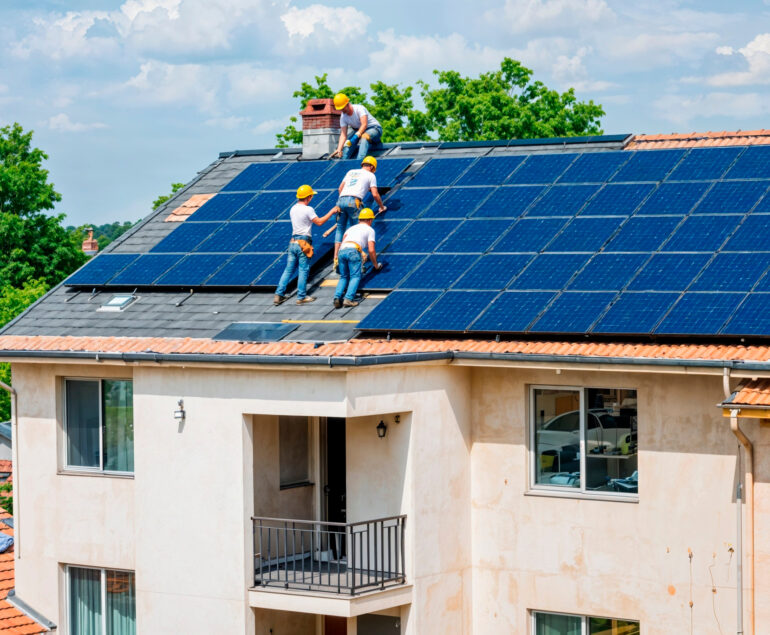
4. Install Solar Panels And Battery Storage
Solar and batteries transform electrification from a cost-saving measure into an energy-security strategy.
They allow households to:
- Generate their own electricity
- Avoid peak power prices
- Maintain partial energy independence during grid disruptions
During global crises, households with solar effectively sidestep fossil-fuel price shocks altogether.
Why This Energy Crisis Is Different From Previous Ones
Past oil shocks left consumers with few alternatives. Today, renewable energy and electrification technologies are mature, widely available, and increasingly affordable.
That means this is the first major fossil-fuel crisis where households have a realistic path to becoming largely energy independent.
Additional Ways To Reduce Exposure To Energy Price Shocks
Beyond major upgrades, smaller steps can also help:
- Improving home insulation and sealing air leaks
- Using smart thermostats and energy monitoring
- Switching to induction cooking instead of gas
- Shifting energy usage to daytime hours when solar output is highest
Individually these changes may seem minor, but together they significantly reduce reliance on imported energy.
The Bigger Picture: Energy Security Starts At Home
Energy shocks driven by war, geopolitics, and supply disruptions are likely to become more frequent in a world still heavily dependent on fossil fuels. Countries can try to build larger reserves or secure new suppliers, but households have more immediate control over their own resilience.
Electrification doesn’t just reduce emissions – it also acts as financial insurance against volatile global energy markets.
For households, the message from energy experts is becoming increasingly clear: the sooner you electrify, the sooner you stop being vulnerable to oil and gas crises.